
Balasaheb Thackeray Biography: The Voice that United Maharashtra
Bal Keshav Thackeray, lovingly called Hinduhrudaysamrat Balasaheb Thackeray, was one of the most influential political figures in Maharashtra’s history. Born on 23 January 1926 in Pune, he was not only the founder of Shiv Sena but also a fierce advocate of Marathi identity and Hindutva ideology. His journey from a political cartoonist to the man who shaped coalition politics in Maharashtra remains unmatched. This article explores his life, his mission to unite Marathi people, and his enduring vision for Surajya — good governance that puts people first.
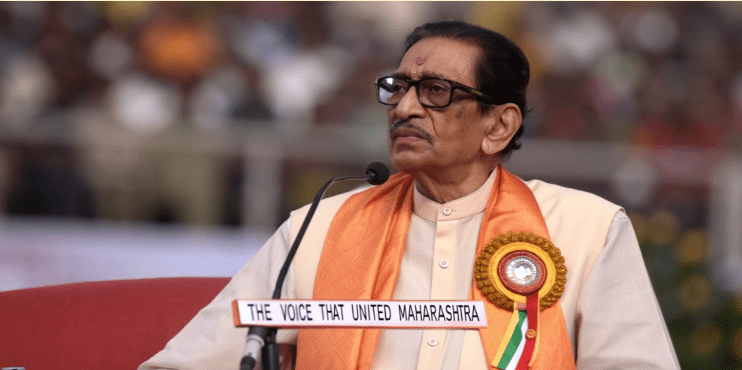
Early Life and Background
Balasaheb was born into a family deeply connected to social reform. His father, Keshav Sitaram Thackeray (Prabodhankar Thackeray), was a reformist and writer, which instilled in young Balasaheb a strong sense of justice and pride in Marathi culture. Early exposure to public issues gave him clarity about the struggles of the common man.
Career as a Cartoonist and Journalist
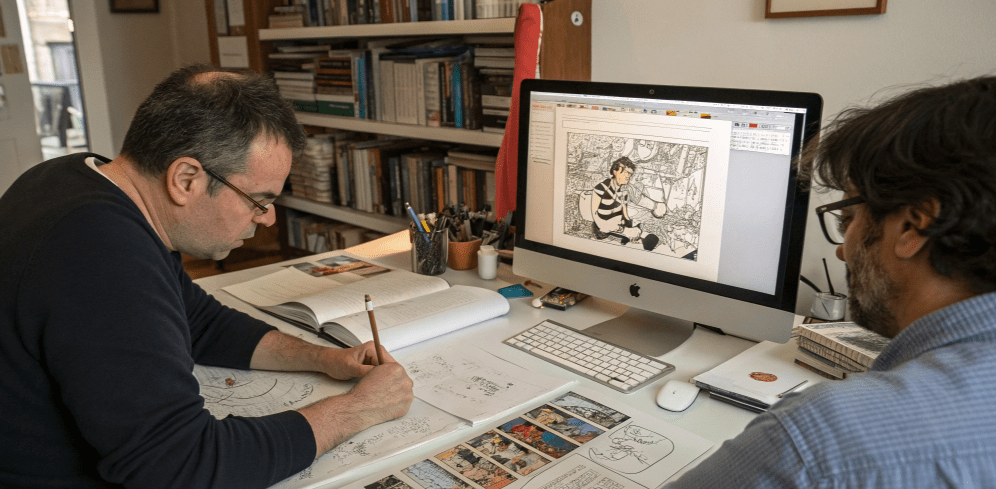
Before entering politics, Balasaheb worked as a cartoonist for The Free Press Journal. His sharp, witty political cartoons became a sensation, giving him a unique voice to challenge power structures. Later, he launched his own weekly, Marmik, which became a platform to highlight the issues faced by Marathi-speaking people.
Founding of Shiv Sena
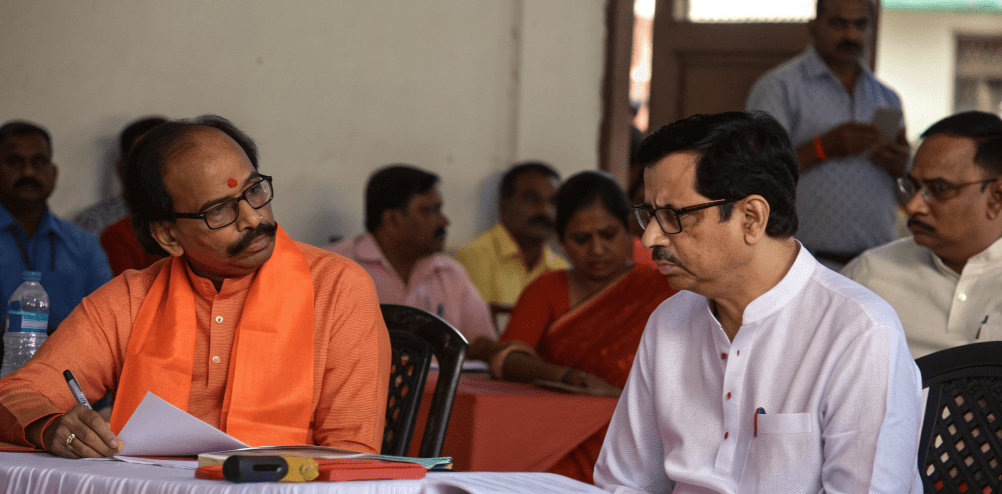
In 1966, Balasaheb founded Shiv Sena, with the goal of uniting Marathi youth and ensuring jobs for locals in Mumbai’s growing industries. The movement quickly evolved from a socio-cultural platform to a political force. Within a decade, Shiv Sena became synonymous with Marathi pride, or Marathi Manoos sentiment, and started influencing municipal and state politics.
Rise in Politics and Coalition Era
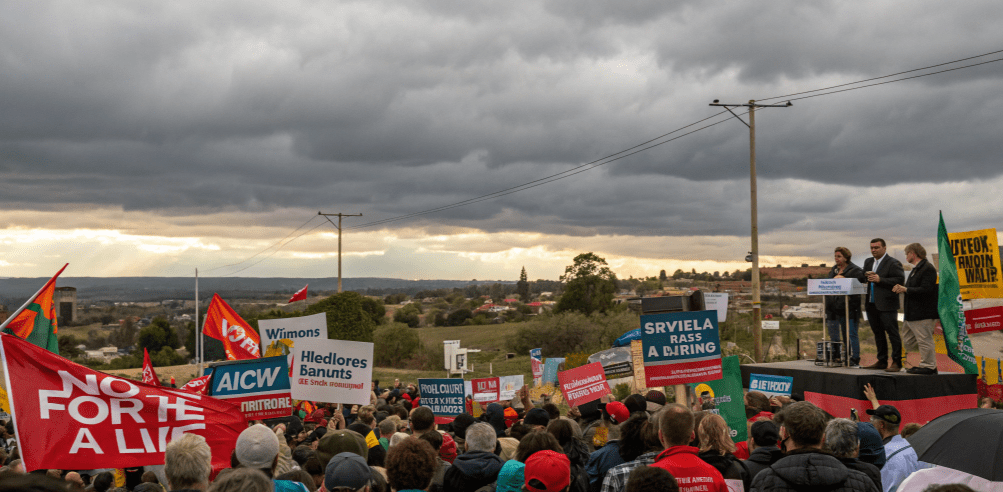
Balasaheb’s foresight helped him form an alliance with the Bharatiya Janata Party (BJP), creating a powerful coalition. The period from 1995 to 2000 is remembered as the golden era of Shiv Sena-BJP governance in Maharashtra. This partnership gave the state its first Sena-led government with Manohar Joshi as Chief Minister.
Achievements During the Golden Period
| Sector | Initiative | Impact |
| Urban Development | Construction of Mumbai flyovers & Mumbai–Pune Expressway | Reduced congestion and boosted trade |
| Housing | Free houses for slum dwellers | Rehabilitation of thousands of families |
| Social Welfare | Chain of Matoshree old-age homes | Better care for senior citizens |
| Public Policy | Concessions for elderly, focus on jobs for locals | Increased trust and social security |
These programs reflected Balasaheb’s vision of development combined with dignity for the common man.
Commitment to Hindutva
Balasaheb recognized early the importance of Hindutva as a socio-political force. His speeches often invoked Shivaji Maharaj’s ideals of Swaraj and self-respect. His alliance with BJP transformed Maharashtra’s politics, giving Hindutva a strong political platform in the state.
Personality and Leadership Style
Balasaheb was charismatic, fiery in speeches, yet warm and affectionate in personal life. Despite being known for aggressive politics, those close to him describe him as a deeply family-oriented man who enjoyed music, literature, and time with loved ones.
Cultural and Political Legacy
Balasaheb’s greatest legacy is the enduring presence of Shiv Sena in Maharashtra’s politics. He inspired a generation of leaders — including current Chief Minister Eknath Shinde — who continue to draw on his philosophy of decisive governance. Even today, Shiv Sena shakhas across the state display his photos and celebrate his birth anniversary with devotion, chanting “Jai Maharashtra!”
Why His Story Matters Today
Balasaheb’s life is more than history; it’s a reminder that leadership grounded in cultural identity can also drive development. From urban infrastructure to social welfare schemes, many of his ideas still shape Maharashtra’s policy decisions.As we reflect on his life, we see a roadmap for future leaders: protect cultural roots, deliver public welfare, and speak fearlessly. Or as Balasaheb himself would say — “Manushya manushyacha bandhu aahe” — every man is a brother, and society must care for its weakest.